Skip to content

Recreate Responsibly This Summer

Summer is almost here! With warmer days ahead, there’s no better time to get outside and enjoy everything the Pacific Northwest has to offer. Hiking, cycling, running, boating, horseback riding, fishing, open water swimming. When it comes to outdoor recreation, we live in a place worth celebrating. Just make sure you’re celebrating safely so you can do it again tomorrow.

Getting outside is good for you

The science backs up what most of us already feel: time in nature improves mental clarity and creativity, supports physical health and reduces the risk of conditions like heart disease and depression, and deepens our connection to the environment we’re working to protect. It’s also just really fun.

This is just as true for kids. Outdoor play gives children powerful boosts to their mental, physical and emotional development. Researchers use the term “nature-deficit disorder,” coined by nature advocate Richard Louv, to describe what happens when kids lose that connection. Studies show that children who regularly play outside are more likely to stay active as adults, show better focus and creativity at school, have reduced ADHD symptoms and develop lifelong conservation values. Early exposure to plants, animals and soil also helps young immune systems develop properly, reducing vulnerability to allergies and asthma. Recent research from North Carolina State University found that nature-based activities are especially helpful for teens, helping offset some of the mental health impacts of the stressors young people face today.

How to recreate responsibly

The Washington Recreate Responsibly Coalition offers these simple guidelines to help protect yourself, others and the places you love:

  • Know before you go. Check whether your destination is open and have a backup plan if it’s crowded.
  • Plan ahead. Expect some facilities to be closed, pack your own lunch and bring essentials like hand sanitizer and sunscreen.
  • Explore locally. Great parks, trails and public spaces are close to home. Be mindful of your impact on the communities you visit.
  • Play it safe. Choose lower-risk activities to reduce the chance of injury.
  • Go easy on alcohol. It’s generally prohibited in public parks, and in warm weather, it raises the risk of dehydration and heat stroke while impairing judgment.
  • Don’t let the sunshine fool you. Warm weather is relaxing, but it’s not an invitation to leave common sense behind.
  • Leave no trace. Respect public lands, waterways and Native and local communities. Take all your garbage with you.
  • Build an inclusive outdoors. Help make outdoor spaces safe and welcoming for people of all identities and abilities.

Outdoor time is essential to health, wellbeing and happiness. Everyone deserves to experience the Pacific Northwest’s incredible outdoor spaces, in every season.

Support organizations making the outdoors accessible to all

Through the UWCFD, you can support nonprofit organizations working to make outdoor recreation equitable and accessible for all. Make a one-time gift or set up an ongoing payroll deduction by searching for a charity by name or cause. If you don’t see the organization you’re looking for, reach out at uwcfd@uw.edu and we’ll work to get them added.

Your gift makes a difference.

Wildfire Season 2026: What You Need to Know

The 2014 Chiwaukum Creek wildfire in Washington / Michael Stanford

Wildfire season in the western U.S. has grown longer, more unpredictable and more devastating for people and wildlife in recent years. Smoky skies and poor air quality are increasingly the norm across the region and 2026 is already shaping up to be one of the more challenging years on record.

Widespread drought has fueled an early and intense start to the season. The Washington Department of Ecology declared a statewide drought emergency for the fourth year in a row – snowpack is sitting at just 50% of normal and rainfall has been below average. Unlike some recent seasons, where dry conditions were partially offset by healthy snowpack, Western Washington has been abnormally dry from the start. Above-average fire risk is predicted across the Pacific Northwest due to warm, dry conditions and high fuel loads. The first notable fire of the season, the 125-acre Libby Creek Fire, began in early May.

Climate change is amplifying all of these risk factors, and experts warn that fire season, which runs roughly from May through November, is only getting longer. These are real indicators that we may be in for another difficult, damaging and potentially deadly season.

Learn more about UW partnerships to foster disaster-resilient communities.

Understanding the health risks

Wildfire smoke is a serious concern, though it helps to understand exactly what we’re dealing with. According to Savannah D’Evelyn, a postdoctoral fellow with the UW Department of Environmental and Occupational Health Sciences, wildfire smoke doesn’t cause new diseases to develop. However, particulate matter in the air can worsen existing conditions like asthma and cardiovascular disease for some people. Learn more from UW experts on wildfires and smoke impacts.

How fires start

Natural fires, often sparked by lightning, play a role in ecological balance but can grow out of control quickly. Nearly nine out of ten wildfires nationwide are human-caused, whether from discarded cigarettes, campfires that weren’t fully extinguished, vehicle sparks or fireworks. The good news is that means most wildfires can be prevented.

How to stay safe this fire season

Being prepared is the best thing you can do for yourself and your family. Here are some important steps to take:

  • Stay informed. Keep an eye on fire danger forecasts using tools from the National Weather Service and US Geological Survey.
  • Clear your property. Remove debris, flammable materials like firewood and dead vegetation from around your home.
  • Protect your air. Keep windows closed, use air filtration systems and limit time outdoors during smoky conditions. The Washington State Department of Health Smoke from Fires website has helpful guidance.
  • Make an emergency plan. Know your evacuation route, locate nearby shelters, gather important documents and keep emergency supplies on hand. Even in Western Washington, having a plan can save lives.
  • Recreate responsibly. Whether you’re camping or enjoying a backyard fire, always make sure flames and heat sources are fully extinguished before you leave.
  • Use available resources. The Washington Department of Natural Resources offers tips on campfire safety and home landscaping in dry conditions. Wildfire Ready Neighbors provides risk assessments and in-home consultations to help create a wildfire protection plan tailored to your property, budget and lifestyle. And Ready.gov has a helpful guide to preparing for wildfires.

Support the people doing this work

Fire season is also a reminder of the incredible dedication of firefighters and environmental protection organizations across our region. Through the UW Combined Fund Drive, you can make a one-time gift or set up a monthly payroll deduction to support nonprofits working to reduce wildfire risk and make outdoor recreation equitable and accessible for everyone.

Search for a charity by name or cause to get started. If you don’t see the organization you’re looking for, reach out at uwcfd@uw.edu and we’ll work to get it added.

Your gift makes a difference.

Breaking the Silence: How We Can Reduce Mental Health Stigma Together

Mental Health Awareness Month vector illustration with green ribbon and flowers. Human abstract profile with green ribbon, Mental health awareness

May is Mental Health Awareness Month in the United States, a designation in place since 1949. It is a time to focus or refocus on self-care, recognize the importance of mental health and honor the courage of millions of people living with mental illness.

Many people place strong emphasis on physical health, yet mental health is just as essential to overall well-being. Mental and physical health are closely connected. According to the CDC, untreated mental health conditions such as depression can increase the risk of heart disease, stroke and diabetes. The World Health Organization identifies depression as a leading cause of disability and suicide and the third leading cause of death among people ages 15 to 29.

About 50 percent of Americans will experience a mental illness or disorder at some point in their lives, yet fewer than half will receive treatment.

This year, the National Alliance on Mental Illness (NAMI), the 2023 UWCFD featured nonprofit, is leading Mental Health Awareness Month with a focus on creating community. Through Speak Up Against the Stigma, NAMI encourages open dialogue, empathy, understanding and healing.

This month, take some time to prioritize your mental health. Below are some suggested ways you can take care of yourself holistically.

  1. Prioritize yourself.
    Your well-being matters. Making yourself a priority may include quality sleep, simple routines or meaningful self-care. This looks different for everyone. Try identifying three small ways you can honor your needs and protect your energy each day.
  2. Step back from social media.
    Social media can be consuming. Setting aside an hour or more without scrolling helps restore focus, presence and connection. Taking breaks can improve sleep and reduce comparison, allowing you to stay grounded in your real everyday life.
  3. Practice mindfulness.
    Small moments add up. Just a few minutes of meditation or mindfulness can increase calm, reduce anxiety and boost self-awareness. If stillness feels difficult, try mindful activities like coloring, stretching or slow breathing.
  4. Limit substance use.
    Many people turn to substances to unwind. Overuse can negatively impact emotional health and daily functioning. Moderation supports balance. If use feels hard to manage, reaching out for help is a healthy and supportive step.
  5. Spend time outside.
    Being outdoors reduces stress and supports emotional well-being. Fresh air and sunlight can lift mood and promote joy. Even short daily time outside or caring for plants can strengthen your connection to nature.
  6. Build meaningful connections.
    Connection supports resilience. Spending intentional time with friends, family or community groups fosters belonging. If you want to meet new people, try local classes, clubs or activities aligned with your interests.
  7. Move in ways you enjoy.
    Movement benefits mental health. Exercise does not need to be intense. Walking, dancing, yoga or stretching all count. Choose activities that feel good and fit naturally into your routine.
  8. Make room for play.
    Play is important at every age. It reduces stress, strengthens relationships and sparks creativity. Hobbies, games and shared laughter all count. Prioritize joy and give yourself permission to have fun.
  9. Practice daily gratitude.
    Gratitude helps balance life’s challenges. Noticing three things you are grateful for each day can build mindfulness and hope. A simple list on your phone can gently shift perspective.
  10. Ask for support when needed.
    Everyone faces difficult seasons. Reaching out to trusted people or professionals can reduce emotional weight. Learning about available resources like employee programs or community services makes support more accessible.

Are you or someone you know in crisis? Call the 988 Suicide and Crisis Lifeline 24/7 to speak to a counselor, including those trained to support LGBTQ+ youth and veterans. At the University of Washington, an additional resource available for staff is the Employee Assistance Program.

Support

Consider making a one-time contribution or setting up payroll deduction to one of our UWCFD member organizations working to provide quality mental health services and de-stigmatize seeking care.

Supporting a nonprofit in your community or on campus is simple and meaningful. You can make a one-time gift or set up an ongoing payroll deduction through the UWCFD. Search by charity name or by the type of work they do to find a cause that resonates with you.

Can’t find the organization you’re looking for? We’re here to help! Email us at uwcfd@uw.edu and we’ll reach out to invite them to join the CFD.

Your generosity and engagement make a difference.


Celebrating Asian American, Native Hawaiian and Pacific Islander Heritage Month

May is recognized as National Asian American, Native Hawai’ian and Pacific Islander (AANHPI) Heritage Month, an opportunity to recognize the diverse people, cultures and communities whose contributions have enriched American life for centuries.

The United States first recognized AANHPI heritage in 1978. A week-long recognition was extended to a month-long celebration in 1992 commemorating the rich heritage of the AANHPI community. The 2026 recognition theme is “Power in Unity: Strengthening Communities Together”, highlighting the importance of leveraging collective strength, building communities and promoting resilience.

The month of May was chosen to commemorate the immigration of the first Japanese to the United States on May 7, 1843, and to mark the anniversary of the completion of the transcontinental railroad on May 10, 1869. The majority of the workers who laid the tracks were Chinese immigrant workers.

Did you know? The AANHPI community in the U.S. spans 50 ethnicities and has more than 100 unique languages and dialects.

According to the U.S. Census Bureau, in 2020 there were more than 24 million Asian American, Native Hawai’ian and Pacific Islander people living in the U.S. The Asian American population is among the fastest-growing in the U.S. and is expected to continue over the next decade.

In the Pacific Northwest, AANHPI communities have long been integral to our region’s history and cultural heritage, with documented settlements in the area dating to the early 19th century. Some historical records suggest the presence of Pasifika peoples (Native Hawai’ians and Pacific Islanders) as far back as the 18th century, prior to the first Asian immigrations.

In the Pacific Northwest, AANHPI communities have long been integral to our region’s history and cultural heritage, having first settled in the area as far back as the early 19th century. Seattle’s first Chinese settlers came to the northwestern United States in the 1860s and 1870s, providing a labor force for the booming lumber mills, fishing operations, and railroads of the region. On UW campus, some of the beloved cherry blossom trees were gifted by the Japan Commerce Association of Washington to the UW Department of American Ethnic Studies in celebration of the Japanese-American relationship at the university.

However, the region also took part in harmful and discriminatory practices, such as redlining, which had significant impacts on access for the AANHPI community. In Washington state, over 12,000 Japanese were incarcerated as part of Japanese internment programs during World War II.

This month — and every month — we celebrate the many ways that AANHPI people enrich our communities.

Banner for Asian American. Native Hawaiian and Pacific Islander Heritage Month in May. Waves and tropical flowers

Get involved at UW

UW Asian American & Pacific Islander Faculty & Staff Association

Recognizing and honoring the rich ethnic, cultural and social diversity of UW Asian and Pacific Islander American faculty and staff, the purpose of the APIAFSA is to create, engage, maintain and sustain a visible and supportive APIA community.

From the Hui Hoaloha ‘Ulana – Hawai’i Club to the Filipino American Student Association to the Polynesian Student Alliance, the UW is home to dozens of student organizations that not only bring people into community. Discover Southeast Asian and Pacific Islander student groups on campus.


CSEAD Student Conference

May 1, 9 a.m. – 5:00 p.m.

The Spring 2026 CSEAD Student Conference will feature a keynote presentation and panels by current UW undergraduate and graduate students across a wide range of topics and disciplines in Southeast Asian studies.

Kathleen Gutierrez | The B-Sides of Unmaking Botany: Labor and the Archive of the Bereaved in the Colonial Philippines

May 1, 3:30 – 5:00

Writing history demands rigorous editing and the willingness to cut material. This talk revisits sources excluded from Unmaking Botany to reflect on monograph making while advancing a conceptual argument aligned with the book’s central interventions.

The Deep Time in Korean Literature

May 14 – Wednesday, July 22, 2026 (Opening day May 14, 4:00 pm to 5:30 pm – RSVP here)

Gowen Hall – Tateuchi East Asia Library, George Beckmann Reading Room

Korean literature has evlovled over five thousand years, shaped by nature, history and everyday life. This exhibition traces the enduring flow, showing how the past lives on in modern Korean literature.

Ehtnomusicology Visting Artist Concert: Heri Purwarnto, Javanese Gamelan $

May 21, 7:30 p.m.

The master Javanese gamelan musician Heri Purwanto from Indonesia performs with his UW students and special guests in this evening of music from Java, Indonesia.

Upcoming Events

Asian Pacific Islander Heritage Month Celebration

May 2, 2026, 11 a.m.- 5 p.m., Armory Food & Event Hall

Seattle Center Festál presents Asian Pacific Islander Heritage Month Celebration in partnership with the Asian Pacific Directors Coalition (APDC). The festival marks the beginning of the officially proclaimed and recognized Asian Pacific American Heritage Month of May in the Greater Seattle area. It aims to preserve and promote the culture, heritage, and contributions of Asian Pacific Islanders and Asian Pacific Americans.

Making Waves: The Rise of Asian America

May 3, 2026, 11:30 am – 1:30 pm, Wing Luke Museum

Join the community for a film screening of the documentary, Making Waves: The Rise of Asian America. Filmmaker Jon Osaki will be present for a Q & A after the screening.

Nobuko Miyamoto: A Song in Move Movement Film
May 4, 2026, 11:00 am – 1:00 pm

North Creek Event Center, UW Bothell

Join Anida Yoeu Ali and the community for a film screening featuring the work of visionary artist-activist Nobuko Miyamoto.

Learn more

Take a look at the Asian Pacific American Heritage Month site compiled by the National Gallery of Art, Library of Congress, Smithsonian’s, National Archives, United States Holocaust Memorial Museum, National Part Services, and National Endowment for the Humanities.

Check out the National Park Service exploration of AANHPI stories.

The Wing Luke Museum of the Asian Pacific American Experience in Seattle’ Chinatown-International District is the only community-based museum in the U.S. dedicated exclusively to the history of pan-Asian Pacific Americans.

The Panama Hotel – National Historic Landmark is situated on Seattle’s Nihonmachi (Japantown) before World War II. The hotel has a long history of providing temporary lodging for immigrants from Japan who immigrated to Seattle and houses one of only two intact sentos (public bathhouses) in the United States.

Visit Seattle’s Chinatown Historic District, which has been the focal point of the city’s Asian community since the early 20th century and is in the National Register of Historic Places. Chinatown was the heart of the most extensive Asian community in Washington state and the size and vitality of the district attracted thousands of immigrants to Seattle

No Longer Invisible is a project that  launched in 2014 as a means of expression for UW students, staff, faculty and alumni within the AANHPI communities to use their own words in voicing their stories and lived experiences. Diversity in aspects of identity such as culture, religion or spirituality, language, and tradition, among many others within and of the AAPI communities.

The Bainbridge Island Japanese American Exclusion Memorial is a poignant testament to the plight and resilience of Japanese Americans who were incarcerated during World War II.

The Seattle Asian Art Museum, in an exquisite 1933 Art Deco building in lush Volunteer Park, is Seattle Art Museum’s original home and the location of its extensive collection of Asian art. It’s also home to the Gardner Center, which hosts lectures, readings, performances, films and events with visual artists to present diverse perspectives on Asia’s many cultural traditions and contemporary issues.

Support  

Consider making a one-time contribution or setting up payroll deduction to a UWCFD member organization working to advance human rights and justice for Asian Americans, Native Hawai’ians and Pacific Islanders.

Supporting a nonprofit in your community or on campus is simple and meaningful. You can make a one-time gift or set up an ongoing payroll deduction through the UW Combined Fund Drive (UWCFD). Search by charity name or by the type of work they do to find a cause that resonates with you.

Can’t find the organization you’re looking for? We’re here to help! Email us at uwcfd@uw.edu and we’ll reach out to invite them to join the CFD.

Your generosity and engagement make a difference.


Supporting Well-Being at Every Age During Older Americans Month

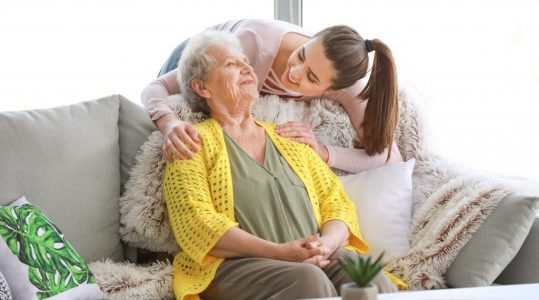
Multi generational women having fun together at park - Multiracial people meet and hugging each other outdoorEvery May, Older Americans Month recognizes the vital contributions older adults make to communities across the nation. Launched in 1976 by President Gerald Ford, this annual observance highlights the importance of helping older adults stay active, connected and engaged in community and social life. The 2026 theme, “Champion Your Health,” emphasizes prevention, wellness and empowering people to take an active role in managing and advocating for their health.

At the start of the millennium, about 35 million Americans were age 65 or older. By 2040, that number is expected to exceed 80 million, including roughly 15 million people age 85 or older. Even among the very oldest Americans, centenarians increased by nearly 50 percent between 2000 and 2014. These demographic shifts underscore the growing importance of research, policies and daily practices that support healthy aging.

At the University of Washington, the Healthy Aging and Longevity Research (HALO) Institute is helping lead this work. Housed in the School of Medicine and founded by Dr. Matt Kaeberlein, HALO’s mission is “to enhance understanding of the biological mechanisms of aging in order to promote healthy longevity.” That emphasis on healthy longevity matters. Extending how long people live only has value if those added years are lived in good health. For this reason, Dr. Kaeberlein often emphasizes “maximizing healthspan” rather than lifespan.

Related: Join us for a Lunch & Learn on Active Aging – Engagement and Resources

Maintain and improve health while aging

The National Institute on Aging, part of the National Institutes of Health, recommends several practical ways to support health and quality of life as we age:

  • Exercise: Staying physically active can reduce overall risk of death from many causes while preserving muscle mass and lowering the risk of obesity and type 2 diabetes.
  • Food and drink: Small changes in eating habits can lead to meaningful health benefits. Research supports Mediterranean-style diets and moderating alcohol intake, while even simple habits like eating green leafy vegetables have been linked to slower cognitive decline.
  • Sleep: Older and younger adults generally need the same amount of sleep, yet seniors often struggle due to pain or illness. Chronic sleep deprivation has been linked to numerous health concerns, including an increased risk of dementia.
  • Mental health: Loneliness and social isolation are associated with higher risks of heart disease, depression and cognitive decline. Remaining socially active can be protective. The activity itself matters less than participation, leaving room for hobbies, clubs, faith-based or community organizations, sports, arts and education. One example is the UW Access program, which allows Washington state residents age 60 or older to audit up to two UW classes per quarter for a nominal fee.
  • Seeing a doctor: Regular checkups help catch illnesses early and identify risk factors for chronic conditions before they become more serious.

Ways to support seniors’ independence

Preventing social isolation is essential to older adults’ mental and physical well-being and is central to the mission of many senior centers. Researchers have long documented the health benefits of social capital, the networks and relationships that foster trust, connection and participation.

These connections become especially important as people age, since health challenges and social networks may change over time. Volunteering offers one meaningful way for older adults to maintain social capital while supporting causes they care about. Many seniors also participate in advocacy work through local senior centers.

Technology can present another barrier. For those who feel uncertain or intimidated, extra support can make a difference. Many senior centers offer free programs designed to build confidence and skills with technology, helping older adults stay connected and independent. There are also online programs to help build tech confidence.

Get a move on

Physical activity is a key factor in maintaining independence. According to the CDC, regular exercise can help prevent disease, reduce fall risk, improve cognitive function and support emotional well-being in older adults. Family members and community members can help by offering encouragement, sharing information and spending time together, for example by walking or exercising side by side.

Everything is better with a friend

Senior centers are wonderful places to stay active while building new friendships. In addition to offerings like Tai Chi, yoga, aerobics and Zumba, many centers partner with evidence-based programs such as SilverSneakers and Active Older Adults (AOA) that are proven to support better health outcomes.

Staying connected also means checking in often. Calling, visiting and offering rides when needed can make a meaningful difference, especially for those who no longer drive. Many senior centers provide transportation to medical appointments, grocery stores and center activities either for free or at low cost.

Aging is a shared human experience, though it looks different for everyone. Genetics play a role, along with socioeconomic, racial and gender factors. Even so, the relatively simple practices outlined above have been shown to support well-being, improve health and reduce risks for chronic conditions. And for those for whom older age still feels distant, these same lifestyle choices can improve health and quality of life at any stage.

Other Ways to Help

Senior centers and organizations rely on donor support to keep their programs running. Consider volunteering at or setting up payroll deduction through the UWCFD for one of our member organizations to support healthy aging.

Supporting a nonprofit in your community or on campus is simple and meaningful. You can make a one-time gift or set up an ongoing payroll deduction through the UW Combined Fund Drive. Search by charity name or by the type of work they do to find a cause that resonates with you.

Can’t find the organization you’re looking for? We’re here to help! Email us at uwcfd@uw.edu and we’ll reach out to invite them to join the CFD.

Your generosity and engagement make a difference.

Thank you for making the 2025 UWCFD Campaign a success!

We are incredibly grateful to everyone who participated in this year’s workplace giving campaign. Together, we raised $1,796,139, including nearly $26,000 for our featured nonprofit, WestSide Baby (WSB) and welcomed 400+ new donors!

Your generosity didn’t stop there. Departments hosted diaper drives that collected more than 3,000 diapers. We filled the minivan three times to deliver them to WSB. That’s a lot of work and every bit of it made a difference.

On behalf of the families you’ve helped and the children you’ve kept safe, warm and dry: THANK YOU! Your support will help provide more than 100,000 diapers to families in need. UW employees truly are the best.

Beyond giving: Volunteering in action

This campaign wasn’t just about donations, it was also about rolling up our sleeves and giving our time. In November, about 20 members of the UW Human Resources team volunteered at the WestSide Baby warehouse in White Center. We packaged diapers, sorted incoming donations and assembled bags of essentials for families.

It was a fantastic way to connect as a team while doing good in the community. Volunteering as a team-building activity? Win-win.

A special thank you

This year’s success wouldn’t have been possible without our campaign coordinators, who spread the word in departments and units and our campaign staff, who kept the momentum going. And of course, YOU! Thank you for sharing your time, talent and treasure. Your efforts made a difference locally, nationally and globally.

It’s not too late to give!

While the campaign has ended, you can give through the UW Combined Fund Drive year-round. Support your favorite nonprofit, or discover a new one by setting up a payroll deduction.

Looking for more ways to get involved? Consider becoming a campaign coordinator or joining the Events Committee. Both roles help keep the campaign strong and successful.

With your support, we’re making a positive impact in the world around us. Thank you from the UW Combined Fund Drive and from all the people your generosity has touched. Your gifts truly make a difference.

Earth Day 2026: Our Power, Our Planet

Celebrate Earth MonthEarth Day is an annual global event on April 22 that brings people together to demonstrate support for environmental protection. This year’s theme, Our Power, Our Planet, reflects the shared responsibility we have to care for the world we live in.

First held in 1970, Earth Day now includes a wide range of events coordinated globally by Earthday.org, engaging more than one billion people across over 193 countries and making it the largest civic observance in the world.

Join us on April 28, 2026 for a Lunch & Learn highlighting organizations that are working every day to support and protect our planet.

Earth Day is our annual reminder to care for our planet and protect the environment today and for future generations.

Take Action

Celebrate Earth Month by engaging in impactful, eco-friendly activities like planting native trees, volunteering for local cleanup crews, composting food waste, and switching to reusable products. Other ways to make a difference include starting a pollinator garden, shopping secondhand, conserving energy, and hosting clothing swaps.


10 WaMake every day Earth Dayys to Celebrate Earth Month:

  1. Plant Native Trees and Gardens: Plant native trees, shrubs or a pollinator garden to support local biodiversity and provide habitats for wildlife.
  2. Participate in a Cleanup: Join or organize a cleanup crew to remove litter from local parks, beaches, or neighborhoods.
  3. Start Composting: Reduce landfill waste by starting a compost bin to turn food scraps into nutrient-rich soil.
  4. Swap, Don’t Shop: Organize a clothing or toy swap with friends to encourage recycling and reduce consumption.
  5. Use Reusable Items: Switch to reusable shopping bags, water bottles and containers to reduce single-use plastic waste.
  6. Start a Garden or Herb Garden: Grow your own food, even in a small container or indoor windowsill, to reduce your environmental footprint.
  7. Conserve Energy at Home: Lower your energy load by turning off lights, unplugging electronics, or utilizing natural light.
  8. Try Eco-Friendly Transportation: Reduce emissions by walking, biking, carpooling or using public transit to work.
  9. Make Sustainable Food Choices: Try a meatless Monday, eat locally sourced food, or cook a zero-waste meal using leftovers.
  10. Support Environmental Nonprofits: Donate to or volunteer with local environmental organizations to support conservation efforts.

Check out 50 Ways to Take Action: Make every day is Earth Day. Small actions, taken consistently, create real change. Browse 50 ways to make a difference below, then share your own act of green to inspire our community.

Earth Month Events 

Friday, April 17, 2026

Forterra Earth Day Restoration Party – We’re excited to invite you to volunteer with us for a special Earth Month event at Crestview Park,a beloved community gathering space in Tukwila featuring dog play areas, trails, and natural landscapes. Join us from 1:00 pm to 3:30 pm, to restore essential wildlife habitat by removing Himalayan blackberries that threaten our local native trees, shrubs, and groundcover. Established native plants benefit local wildlife, improve water quality, and enhance air quality.

Saturday, April 18, 2026

Earth Day Run Come run or walk one of our many race distances and at the same time you can feel good about supporting the environment. Make sure to stop by our tree hugger station where you can pot a tree to take home or pot one and leave to donate to be planted in Washington. We also will have a Magnuson Park gardener there to answer all questions you may have about native plants and trees. Day of race registration and bib pick up: 9:00 am-10:00 am

Tuesday April 21, 2026

An Evening with Amy Cordalis – Get tickets for an inspiring evening with Amy Bowers Cordalis—a Yurok mother, fisherwoman, attorney, and nationally recognized leader in Indigenous environmental advocacy—whose work centers on advancing sovereignty and protecting cultural and natural resources, including the historic undamming of the Klamath River. A United Nations Champions of the World Laureate, 2024 TIME100 Climate honoree, and author of The Water Remembers (2025), Amy will also have copies of her book available for purchase at the event. This is an evening event from 4:00 pm – 5:00 pm.

Wednesday, April 22, 2026

Earth Day RSO sustainability mixer – Connect with student organizations and peers at this campus-wide sustainability mixer hosted on Red Square. Explore different RSOs, discover ways to get involved, and build community with others passionate about sustainability.

Earth Talks Join Seattle University for the 7th edition of “Earth Talks,” their annual Earth Day celebration showcasing inspirational 5-min talks on “Care for our Common Home” by students, faculty, and staff from across schools and programs at SU. Presentations will cover advocacy, research, and service projects related to environmental justice and sustainability. Join us and support fellow students and colleagues presenting. Presenters and topics to be announced soon at www.seattleu.edu/earth-talks. Doors open at 11:45 am and event concludes at 1:20 pm.

Saturday April 25, 2026

Celebrate Earth Day with the City of Kenmore – 11:00 AM to 3:00 pm – Park Clean Up – Rhododendron Park – 11:00 am-1:00 pm and Earth Day Vendor Fair in Saint Edward State Park – 11:00 am – 3:00 pm. Come get your hands dirty and work alongside City staff as they lead a park beautification event. Then, visit the vendor fair to meet organizations focused on sustainable practices and evenroinmenatl stewardship.

Nelson Nature Park  – 9:00 AM to 12:00 PM – Volunteer with us by spending 3 hours from 9:00 am – 12 :00 pm at Adriana Hess Wetland Park (Fircrest), one of our habitat stewardship sites. Activities include caring for existing plants and removing invasive species such as Himalayan blackberry and English ivy. This work supports water quality, our local wildlife and pollinators, and sets us up for a great summer!

More:  For UW Events, check out the UW Sustainability Events Calendar. To learn more about events in your area, visit the Earth Day 2026 event map.

Support 

Consider making a one-time contribution or setting up payroll deduction to one of our CFD member organizations working on environmental conservation and sustainability education.

Supporting a nonprofit in your community or on campus is simple and meaningful. You can make a one-time gift or set up an ongoing payroll deduction through the UW Combined Fund Drive (UWCFD). Search by charity name or by the type of work they do to find a cause that resonates with you.

Can’t find the organization you’re looking for? We’re here to help! Email us at uwcfd@uw.edu and we’ll reach out to invite them to join the CFD.

Your generosity and engagement make a difference.

Find the tax help you need: Guide for discounted and no-cost resources 

Decorative image

Tax season can feel overwhelming, but you do not have to navigate it alone. There are trusted free tax services, including programs like IRS Free File, VITA and AARP Tax Aide that help individuals and families file with confidence and keep more of their refund. These no-cost options work well for simple tax returns and are supported by trained volunteers who care about your financial well-being and want you to succeed. 

For those with more complex situations such as self-employment, homeownership or multiple income sources, paid tax preparation services can provide the deeper expertise and personal guidance you may need. Professionals and online tax platforms offer advanced support that helps ensure accuracy and gives you peace of mind. 

If you are not sure which option is right for you, here is a helpful way to decide: 

  • Free services are a strong fit for straightforward returns, while paid services are a better fit for returns that include more details or special circumstances.  
  • For folks earning less than $80,000 a year (or $96,000 for non-single filers), you can access excellent free tax help through the United Way. They can explain your tax situation clearly, help you claim every tax credit you qualify for and assist you with filing returns as far back as 2020.  

 One of the easiest ways to find free tax help is to visit local United Way websites to search for a location near you: 

There are also free tax sites on UW campuses: 

If you don’t qualify for free services, you can explore discounts available to UW employees through Perks at Work from our Employee Assistance Program.  

Whatever your situation, take the time to find the resources that feel right for you and make the connections with the support that makes tax season easier, clearer and less stressful. 

Leading the Change: Women Shaping a Sustainable Future

Women’s History Month 2026 

The theme of Women’s History Month in 2026 is “Leading the Change: Women Shaping a Sustainable Future.” This theme honors the many ways women are driving sustainability across environmental, economic, educational and social justice movements. 

We are living in a pivotal moment that asks us to confront climate change, economic insecurity, healthcare disparities and threats to democratic participation. These challenges are deeply connected, and women, especially those in marginalized communities, often feel their impact most directly. Yet women have also been among the strongest leaders in creating long-term solutions. 

“Leading the Change: Women Shaping a Sustainable Future” invites us to see sustainability as more than caring for the environment. It includes financial stability, resilient communities, leadership development and fairness across generations. Whether advancing green innovation, expanding economic opportunity, strengthening education or building civic participation, women are creating blueprints for a future where both people and the planet can thrive. 

International Women’s Day is March 8 

International Women’s Day (IWD) honors the achievements of women and is recognized as a national holiday in many countries. Since its start in 1911, IWD has offered a powerful platform for creators, activists and communities to celebrate, learn and act together. While every day is a good day to uplift women and girls and call out gender bias, IWD brings people together in a shared global movement that belongs to everyone. 

IWD 2026 highlights two themes. The official UN theme is “Rights. Justice. Action. For ALL Women and Girls,” which focuses on strengthening legal equality and access to justice. The campaign theme is “Give To Gain,” which encourages generosity through mentorship, resources, advocacy and community support. Both themes call for real action that removes barriers and ensures that women’s rights are lived experiences rather than ideas on paper. 

The UN theme also addresses the gap between legal rights and real access to justice, especially during times of conflict or political strain. The campaign theme, Give to Gain, highlights how investing in women creates stronger families, communities and economies. Together, these themes help move the “Rights. Justice. Action.” vision forward. 

A Brief History of Women’s History Month 

The roots of Women’s* History Month stretch back to March 8, 1857, when women working in New York City factories held a protest over unsafe working conditions. The first Women’s Day celebration in the United States was held in 1909 in New York City. In 1911, March 8 became recognized as International Women’s Day. 

In 1980, President Jimmy Carter issued the first presidential proclamation recognizing Women’s History Week to align with International Women’s Day. The next year, Congress established the second week of March as National Women’s History Week. In 1987, after a petition by the National Women’s History Project, Congress authorized the president to declare each March as Women’s History Month, honoring the contributions women have made to the social, political, economic and cultural life of the nation. 

From Abigail Adams’ influencing to Sacagawea’s guiding to Sojourner Truth’s orating to Harriet Tubman’s emancipating to Clara Barton’s caring to Elizabeth Cady Stanton’s and Susan B. Anthony’s organizing to Amelia Earhart’s daring to Margaret Sanger’s innovating to Eleanor Roosevelt’s activating to Jeannette Rankin’s glass-ceiling-shattering to Georgia O’Keeffe’s creating to Sister Rosetta Tharpe’s inventing to Grace Hopper’s computing to Dolores Huerta’s protecting to Rachel Carson’s eye-opening to Rosa Parks’ resisting to Lucille Ball’s entertaining to Maya Angelou’s writing to Gloria Steinem’s advocating to Shirley Chisolm’s trailblazing to Katherine Graham’s commanding to Barbara Walters’ reporting to Vera Wang’s couture-designing to Oprah Winfrey’s culture-defining to Ruth Bader Ginsburg’s judging—and many, many more. 

The course of American history has been written and revised by courageous, visionary, persistent women. 

 While we celebrate the progress shaped by both well-known and everyday champions of equity, Women’s History Month also reminds us that gender bias persists and that women remain underrepresented in many areas of power and influence. It reinforces the truth that women’s rights are human rights that must be protected at home and around the world. 

Women’s empowerment in achieving health equity is also essential. It is a fundamental right, yet women continue to face significant gaps in access, resources and outcomes. 

Learn 

There are many resources available to help raise awareness about the work of achieving gender parity and inclusiveness; here are just a few to check out: 

  • Volunteering and mentoring are great ways to make a difference in the lives of women and girls, during Women’s History Month and all year long. 
  • The Women of Five Wars from the Library of Congress collects the stories of women serving in the Korean and Vietnam wars as well as women serving in the Persian Gulf, Iraq and Afghanistan. 

 Engage 

#LeadershipUnfiltered: Women Leading with Impact 

Monday, Mar 9 from 12:45 PM to 1:30 PM online webinar 

This live webinar will explore this year’s IWD theme, Give to Gain—highlighting how uplifting, sponsoring, and empowering other women strengthens teams, builds inclusive organizations, and creates lasting leadership impact. Through real-world experiences and practical insights, the discussion will show why investing in others isn’t just meaningful, it’s a powerful leadership strategy. 


Voices for Impact: Courageous Expression in Uncertain Times 

Tuesday, March 10, 6:00 PM to 8:00 PM at US Bank Centre – The Arbor 

Join Global Girls Glow for an inspiring panel discussion led by a GLOW Youth Advocate.
Our panelists will explore key issues impacting girls and women today and share how we can Ignite the Power of Girls to Advocate for a Better World. Enjoy networking and complimentary refreshments before and after the event. 

Support 

To show your solidarity, consider making a one-time gift or set up payroll deduction to a UWCFD nonprofit that support organizations amplifying opportunities and experiences for women and girls.  

Supporting a nonprofit in your community or on campus is simple and meaningful. You can make a one-time gift or set up an ongoing payroll deduction through the UW Combined Fund Drive (UWCFD). Search by charity name or by the type of work they do to find a cause that resonates with you. 

Can’t find the organization you’re looking for? We’re here to help! Email us at uwcfd@uw.edu and we’ll reach out to invite them to join the CFD. 

Your generosity and engagement make a difference. 

*In this article, “women” and “girls” refers to all gender expansive people: cisgender, trans, non-binary, gender non-conforming, gender queer and anyone woman- or girl-identified 


Do a world of good volunteering in 2026!

Volunteering is a fun way to support your favorite nonprofit organization – plus, research demonstrates that it’s good for you. Whether you are able to volunteer on a regular basis, or just have the occasional hour or two to spare, you can support a cause you are passionate about.

Why volunteer?

Volunteering is good for you. In study after study, researchers have found that people who volunteer lead longer, healthier, happier lives. Volunteerism correlates positively to stronger self-confidence, better quality of friendships and improved job prospects.

Volunteering connects you with others and builds more robust social networks. Feeling lonely? Volunteer! Want to make some new friends? Commit to a shared activity with someone, and watch your friendship blossom. Bonus: because volunteering often helps people discover their passions, it also helps develop the ability to tell one’s own story.

Volunteering fosters a sense of purpose. Giving your time and energy with no expectation of compensation – that is, being altruistic – gives meaning to one’s life. Particularly for those undergoing a life change such as retirement, empty nest or the death of a loved one, volunteering can help relieve stress, improve self-esteem and promote emotional stability.

Volunteering is good for your career. Volunteer experience on your resume demonstrates to potential employers that you can take initiative, overcome challenges and learn new skills. Significantly, volunteering can grow your professional network and may even lead to your next job.

Volunteering financially supports organizations. In Washington state, each hour you volunteer saves a nonprofit an average of $40.00 an hour.

Volunteering can build teams

Volunteering with work colleagues is a great way to bond over a shared experience. This is especially valuable in the era of hybrid work.

“One of my favorite things about being a volunteer coordinator for the Combined Fund Drive is having the opportunity to interact with members of our large department that I otherwise would not meet in my daily work,” says Brooke Emrich, program operations specialist in the Department of Laboratory Medicine and Pathology. “Whether they are asking me a question about how the CFD works, participating in a fundraiser or dropping off items for a drive that I am organizing, I love meeting people and also seeing the generosity of our department.”

Emrich enjoys highlighting the work of nonprofits, especially the ones she is passionate about supporting, like PAWS and Solid Ground. She organized a group of departmental faculty and staff to volunteer for a 3-4 hour shift at Solid Ground’s Marra Farm as part of their annual celebration of Medical Laboratory Professionals Week.

More than just a “cool opportunity to spend time outside and learn a bit about growing food and farming while helping them keep the farm running,” she says she’s really “looking forward to the opportunity to get to know some of my fellow DLMP members.”

Ready to get working?

Below are a wide variety of local volunteer opportunities, put together in partnership with the UWCFD, that you can participate in on your own, with your family or with a group of coworkers.

Get outside

Washington Trails Association offers a variety of opportunities, from local one-day work parties to multi-day volunteer vacations, working to restore and maintain our state’s public lands.

In an effort to make all 2,500 acres of Seattle’s parkland healthy and accessible to all, Green Seattle Partnership offers a variety of local restoration, reforestation and work parties every week at 155 area parks.

Want to plant trees? Seattle’s Tree Ambassador program engages volunteers in leading educational tree walks, hosting tree stewardship events and planting trees with the Trees for Neighborhoods program.

Shark Garden: Located in White Center, this garden provides learning opportunities for students in the Highline School District and provided more that 2,500 pounds of food to the White Center Food Bank annually. Volunteer to help with garden maintenance, harvesting food for the food bank, construction projects, teaching classes, and more.

Outdoors For All is a national leader in delivering adaptive and therapeutic recreation for children and adults with disabilities. Programming includes snowboarding, snowshoeing, cross country and downhill skiing, cycling, mountain biking, kayaking, hiking, rock climbing, youth and adult day camps, yoga and weekend excursions.

City Fruit volunteers give their time in many ways to help support the mission of promoting the cultivation of urban fruit in order to nourish people, prevent food waste, and build community. Group and individual volunteer opportunities are available. Volunteer shifts are often on a Saturday for 2-4 hours and include training. volunteer

Puget SoundKeeper Alliance has weekly kayak cleanup patrols on Wednesdays from 11 am – 1 pm on Lake Union.

For animal lovers

Seattle Humane, PAWS and Homeward Pet are great organizations that offer plenty of in-shelter volunteer opportunities such as clinic assistants and animal socializers. Seattle Animal Shelter particularly needs foster homes for dogs, cats and critters.

Seattle Veterinary Outreach, which provides free care for the pets of homeless people, has immediate need of medical staff and clinic support staff.

Want to be a puppy sitter? Summit Assistance Dogs’ single greatest volunteer need is for loving and devoted foster homes and sitter for their puppies and adolescent dogs training to become service pets.

Pasado’s Safe Haven needs volunteers for a variety of roles, including collecting and distributing donations at their pet food bank.

Little Bit Therapeutic Riding: Take care of the horses used for the therapeutic riding by grooming and tacking horses before class, supporting riders while in class, leading horses, and putting away horses after class. We encourage a weekly placement and ask for a commitment of at least six months.

Pet Partners is always looking for  people to register with their animal to become a therapy animal team and volunteer within your community visiting people in need at hospitals, retirement centers, schools, libraries, etc. Pet Partners registers dogs, cats, equine, llamas and alpacas, pigs, birds, guinea pigs, rabbits, and rats as therapy animals.

Have an adorable animal? Nominate them to become Pet Partners Pet of the Year! Your pet doesn’t need to be a registered therapy animal to “volunteer” and fundraise.

Use your skills

Create fun DIY displays at a local Habitat for Humanity store – it’s not all hammers and nails. Want to build? Project sites are now accepting volunteers in Delridge and South Park for individuals and groups.

Cookies baked with love is a program for volunteers to bake cookies at their home for Recovery Café members attending a monthly resource connection day at the new South Lake Union café. This monthly event offers a variety of other opportunities as well.

Bake bread at home for Community Loaves, a grassroots community bread brigade supporting local food banks with fresh and nutritious home-baked bread.

Do you enjoy cooking? Use your skills to provide healthy, delicious dinner for young people in need at YouthCare. Cook at home and drop off the food so youth can get the nutrition they need before they go to work or school the next day. This can be a one-time opportunity, or you can deliver food on a regular basis.

Seattle World School is looking for volunteers to tutor immigrant and refugee students during and after school. Students range from K-12 and subjects tutored include English, math, science, social studies, etc. SWS also needs volunteer field trip chaperones and gym and sports safety assistants.

Seattle Recreative collects donations of used materials that can be used for crafting and art that would otherwise end up in a landfill from local businesses and individuals to redistribute to our community through a retail store and classes. Volunteers help sorted donated crafting supplies, prep supplies for classes, and other projects needed that day.

Bike Works needs volunteers to refurbish donated bicycles by fixing flat tires, replacing broken parts and fine-tuning components like brakes, gears and bearing systems. A staff member will help you choose a project that matches your skill level. We work with all levels of experience!

Seattle/King County Clinic brings together healthcare organizations, civic agencies, non-profits, private businesses and volunteers from across the State of Washington to produce a giant free health clinic at Seattle Center. Volunteers are needed April 23 – 26, 2026 for a variety of roles.

Volunteer from home

Amnesty International’s Amnesty Decoders network of digital volunteers helps conduct research into global human rights violations.

Help make the Smithsonian Institution’s collections more accessible by volunteering online to transcribe historical documents or edit Wikipedia articles related to their artifacts and research.

For those fluent in more than one language, Translators Without Borders combines language skills with humanitarian aid. Volunteers provide translations (10 million words a year!) to international organizations that focus on crisis relief, health and education.

Neighborhood House needs volunteers to record themselves reading children’s stories, physical and voice actors for home visit practice scenarios, and bilingual translators for program fliers. High-needs languages include Arabic, Farsi, Tigrinya, Oromo, Amharic, Russian, Ukrainian, Spanish, and Vietnamese.

Human services

Family Law CASA of King County needs volunteers to serve as Court Appointed Special Advocates (CASAs) for children in court during custody situations. Training is provided.

The ElderFriends program connects volunteers with isolated adults for regular one-on-one visits (currently by phone) in Puget Sound.

ROOTS Young Adult Shelter relies on volunteers to set up and clean up shelter areas, prepare and serve meals, hand out supplies, build positive relationships with guests, and more.

Food Lifeline offers teams, families and individuals 2.5 hour windows to help repackage food for delivery to more than 275 food banks, shelters and meal programs. There are a variety of opportunities for food resource-related volunteering at Northwest Harvest.

WestSide Baby: lend a hand in the warehouse and help sort donations of gently used children’s items and prepare them for distribution to local social service agencies that support families in need.

Path With Art provides art classes and a caring community to adults who have experienced trauma. Volunteer to support class teachers and provide a supportive and welcoming presence, connect with and assist participants, take photographs, take attendance, and generally model good behavior.

Chicken Soup Brigade needs volunteer drivers to deliver groceries and fresh meals to clients throughout King and Snohomish counties.

Phinney Neighborhood Association’s Hot Meals Program volunteers help by picking up food donations, hosting food drives and preparing, cooking, serving and cleaning up weekly meals.

Need more ideas?

  • The United Way of King County website has dozens of regional opportunities! Reach out, get involved with something that excites you, and be ready for that warm glow feeling.
  • The American Red Cross relies on volunteers to carry out 90% of its volunteer work in preventing and responding to humanitarian crises. From boots-on-the-ground opportunities to behind the scenes work in outreach and fundraising, there is something for everyone.
  • The UW Combined Fund Drive continuously compiles volunteer opportunities with our 5,000 member organizations.
  • Idealist.org is a nonprofit connecting people and organizations for jobs, internships, volunteer opportunities and graduate school fairs to help people advance their social impact career.
  • Check out your neighborhood library, food bank, school or nonprofit. Volunteers help make the work all of them do possible!

Want to donate more than time?

Set up monthly payroll deduction or make a one-time gift through the UW Combined Fund Drive (UWCFD) to any of thousands of charitable organizations locally, nationally and internationally.

You can also log and track your volunteer hours through the UWCFD volunteer tracker tool  (UW net ID required).

Know of a great volunteer opportunity in our area? Email it to us and we’ll add it to our website!