 Every November, we celebrate National Native American Heritage Month, a time to honor the traditions, cultures, languages and stories of Native American, Alaska Native, Native Hawaiian and affiliated Island communities. It’s also a chance to make sure their rich histories and contributions continue to thrive for generations to come.
In 1990, President George H. W. Bush approved a joint resolution designating November 1990 “National American Indian Heritage Month.” Since 1994, similar proclamations have been issued every year under a few variations of the name, including “Native American Heritage Month” and “National American Indian and Alaska Native Heritage Month.”
This month is a time for reflection, and it’s an invitation to act, too. Many Indigenous and community leaders encourage all of us to learn more about their cultures and the issues their communities face today, including climate change, tribal sovereignty and land rights.
Indigenous culture at UW
There’s so much to discover right here on our campus. Here are a few places to start.
Connect with community and government partners. UW’s Office of Tribal Relations coordinates the government to government relationship between the University and American Indian tribes across Washington state and the northwest region. A Memorandum of Understanding between Northwest Regional Tribes and the University of Washington strengthens and sustains that partnership.
Take a walk. Created by UW alum Owen Oliver and dedicated to Indigenous students past, present and future, the Indigenous Walking Tour explores the natural landscape, history and Indigenous Knowledge Systems at UW Seattle. You can also meet Indigenous Husky alumni, staff and students.
Visit the Burke Museum. The Burke curates an impressive gallery of Northwest Native art along with a collection of Indigenous artifacts, and you can watch museology experts care for those collections through glass partitions. As you arrive at the east entrance, you’ll be greeted by the outdoor installation Guests of the Great River. The Burke is also home to the Bill Holm Center, a globally accessible learning center for the study of Native arts of the Northwest.

Behind the scenes, the Burke Museum Native American Advisory Board offers essential advice and direction on exhibits, collections, community outreach, repatriation, education, research and collaboration with tribal and museum programs.
Look for Native art around campus. Works by local Native American artists are on display in several campus buildings, including Founders Hall and Miller Hall.
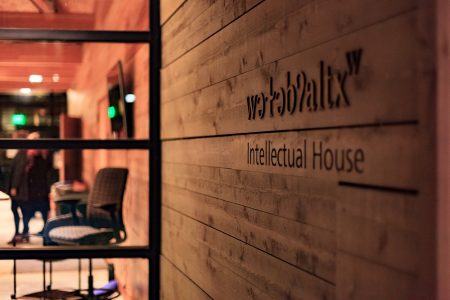
Gather at wǝɫǝbʔaltxʷ Intellectual House. This longhouse-style facility on the UW Seattle campus is a welcoming learning and gathering space for American Indian and Alaska Native students, faculty and staff, as well as people from many other cultures and communities.
Explore UW Native Life. This hub brings together the many Native-focused resources available on the Seattle campus.
Get involved with First Nations @ UW. This undergraduate, intertribal registered student organization hosts events on and off campus to educate the community about Native cultures, raise awareness of issues affecting Native communities and uphold tribal customs and traditions. Each year, the group also hosts the UW Spring Powwow, a welcoming intertribal gathering filled with the music, dance, art, stories, culture and cuisine of the region’s Indigenous peoples.
Learn a language of this land. Thanks to the efforts of lecturer and Puyallup tribal member Tami Hohn, Southern Lushootseed courses joined UW’s world languages offerings in 2019. Once widely spoken by the Coast Salish peoples, the language has distinct Northern and Southern dialects.
Support Indigenous health and wellness. The Indigenous Wellness Research Institute works to uphold the inherent rights of Indigenous peoples to achieve full and complete health and wellness, collaborating on decolonizing research and knowledge building and sharing.
Support Indigenous communities through the UWCFD
Want to make a difference? Consider a one-time gift or a monthly payroll deduction through the UWCFD to support one of our member organizations working with and for Indigenous communities in our region.
Your Gift Makes a Difference.
The University of Washington acknowledges the Coast Salish peoples of this land, the land which touches the shared waters of all tribes and bands within the Suquamish, Tulalip, and Muckleshoot nations.