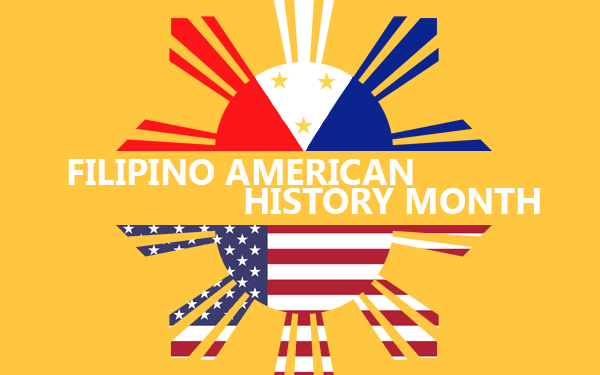
Filipino Americans are the second largest Asian American ethnic group in the U.S. and the first documented Asian people to arrive in the country. In October, we celebrate the rich cultural legacy of Filipino Americans during Filipino American History Month.
The Filipino American National Historical Society ((FANHS, a Seattle based organization) established Filipino American History Month in 1992, but it was not until 2009 that the U.S. Congress recognized October as Filipino American History Month in the U.S. Formal recognition followed years of campaigning and advocacy by numerous individuals and organizations.
Various states, counties and cities across the U.S. have established proclamations and resolutions declaring observance of Filipino American History Month.
October 18, 1587 marks the first recorded arrival of Filipinos in the continental U.S., in Morro Bay, California, a state that continues to be home to a large subpopulation of Filipino Americans. In fact, Southern California has historically had the largest concentration of Filipinos and Filipino Americans in the U.S., with a storied and complicated history of marginalization in the state’s economic, political and cultural realms.
Celebrating Filipino legacies
For the 2026 theme, the FANHS has chosen Beyond the Margins: Centering Intersectional Filipino American Histories, moving toward a fuller, more nuanced and inclusive understanding of the Filipino American experience.
FANHS founders Fred and Dorothy Cordova are profiled in the Seattle Civil Rights and Labor History Project, a UW consortium of community groups, UW faculty and undergraduate and graduate students.
Historically, caregiving and nursing have been an accessible point of entry into the U.S. workforce for Filipino immigrants. The history of Filipino nurses in the U.S. dates to the establishment of American style nursing schools in the Philippines during U.S. occupation in the early 1900s. After WWII and again in the 1960s there was an influx of foreign born nurses, including many Filipinos, to fill nursing shortages across the country.
Celebrate in the Pacific Northwest
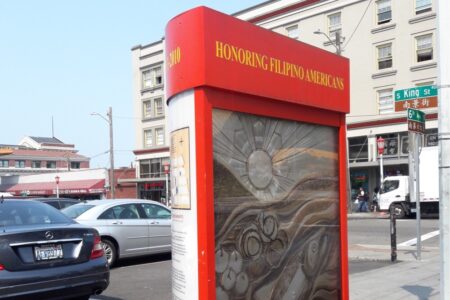
Seattle and the greater Puget Sound area have a deep and active Filipino American community, and there are several ways to celebrate close to home this October.
- Filipino Day Bayanihan Family Fiesta: Hosted by the Asia Pacific Cultural Center (APCC) in Tacoma, celebrating labor leader Larry Itliong and youth art with a digital submission deadline of October 3, 2026 from 11 am to 4 pm.
- Ani: The Harvest of History, October 15, 3 pm to 7 pm at the Washington State History Museum in Tacoma, co-hosted by FANHS Greater Puget Sound chapter. This free community event honors Filipino American labor and agricultural history in Washington state, including a panel on labor activism featuring members of the Itliong family and a special display of historic artifacts from the Philippines.
- The FANHS Greater Seattle Summit presents Filipinos: The Global Citizen, a one-day summit bringing together Filipino Americans, FANHS members, community leaders, artists, educators, advocates, and supporters for a day of learning, dialogue, and connection at North Seattle College.
- I Am Filipino, an ongoing exhibit at the Wing Luke Museum in Seattle’s Chinatown International District. Through personal stories and photographs, the exhibit explores the many layers of Filipino American history and identity and is on view throughout the month.
Learn more
- Filipino Americans in Seattle, a detailed local history tracing the community from its first known Seattle resident in 1883 through today
- Caring for Caregivers: Filipina Migrant Workers and Community Building during Crisis by UW alum Valerie Francisco Menchavez, named Best Book of the year by the Filipino Studies section of the Association for Asian American Studies
- Forgotten Island, a new DreamWorks animated film following two Filipino American best friends on a mystical island inspired by Philippine mythology, in theaters this fall with a soundtrack featuring Lea Salonga and other Filipino artists
- 10 ways to celebrate Filipino American History Month
- Check out a list of picture books celebrating Filipino American History Month
Support
Please consider making a one-time gift or setting up a monthly payroll deduction through the UWCFD to support one of our member organizations working with and for the Filipino American community.
Your Gift Makes a Difference.