Check out the wonders of modern libraries
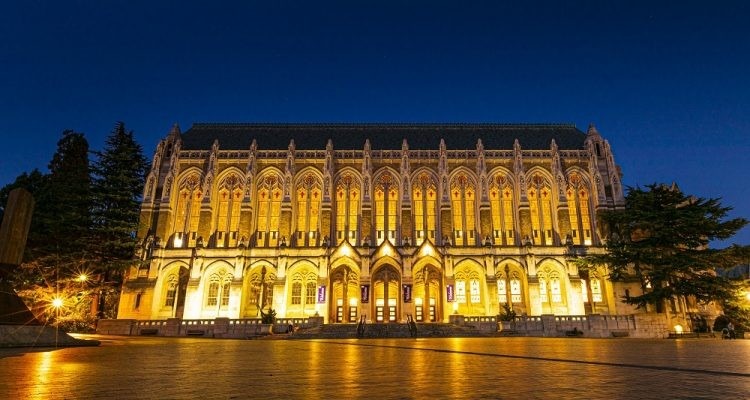
You might think of your local library as a place to check out a book, use a computer or print out a document. But modern libraries offer so much more than loaning books — their services and programs have expanded in ways that might genuinely surprise you.
With National Book Lovers Day on August 9, we’re celebrating the incredible public libraries right in our own backyard. Seattle Public Libraries, the King County Library System and UW Libraries all offer a seemingly endless trove of books and an incredible range of services. Digital magazine subscriptions, museum passes, maker spaces, tutoring services, design consulting, genealogy help and much more can all be accessed for free with a library card.
Digital subscriptions
As a UW employee, you can access an extraordinary number of online news publications for free through UW Libraries, from local newspapers to national titles including the New York Times, Wall Street Journal, USA Today, Financial Times, Economist and The Atlantic.
Seattle Public Libraries cardholders can also access digital magazines and newspapers, including the New York Times, Wall Street Journal and Washington Post.
Free admissions
Your library card can get you through the door at some of Seattle’s most beloved attractions. Both Seattle Public Libraries and the King County Library System offer museum and park passes to places like the Museum of History and Industry (MOHAI), Woodland Park Zoo, Seattle Aquarium, Museum of Flight, Museum of Pop Culture (MoPOP), Washington State History Museum and many more. You can also place a hold on a Discover Pass for free entry to Washington state parks.
Tutoring
Seattle Public Libraries offers tutoring options and homework help for both K-12 students and adults. Adults can access in-person and virtual support to improve English, reading, writing or math skills, prepare for exams or work toward U.S. citizenship. K-12 students in Seattle can tap into free virtual tutoring for any school subject as well as help with college essays, job applications, resumes and cover letters through Tutor.com.
Maker spaces
Feeling creative? The King County Library System Makerspaces in Federal Way, Shoreline and Bellevue are free community workspaces stocked with equipment for art, sewing, audio and video recording, coding, robotics, filmmaking, photography, design and engineering. Check the calendar for in-person and online events at Makerspace locations too.
Create digital projects
UW Libraries provides a range of tools and support to help you create and communicate your research in a variety of digital formats like web sites, online presentations and books, interactive maps, data visualizations and even podcasts! Get help via on-site office hours, monthly workshops and online help by appointment. UW Libraries Digital Project Design
Genealogy help
Curious about your family history? Seattle Public Libraries offers free one-on-one genealogy help from specialized librarians, available in person at the Central Library, virtually or by phone. The library’s Genealogy Collection includes census records, immigration lists, military records and genealogy guidebooks. UW Libraries also offer a variety of online databases like Ancestry Library Edition, historical newspaper archives (e.g., The Seattle Times and New York Times) and an extensive Special Collections department holding rare Pacific Northwest historical manuscripts.
Business and nonprofit research
Seattle Public Libraries offers free one-on-one appointments with librarians trained in business and nonprofit research. You can also connect with volunteer attorneys for guidance on starting a business, corporate law, personal credit and grant prospecting.
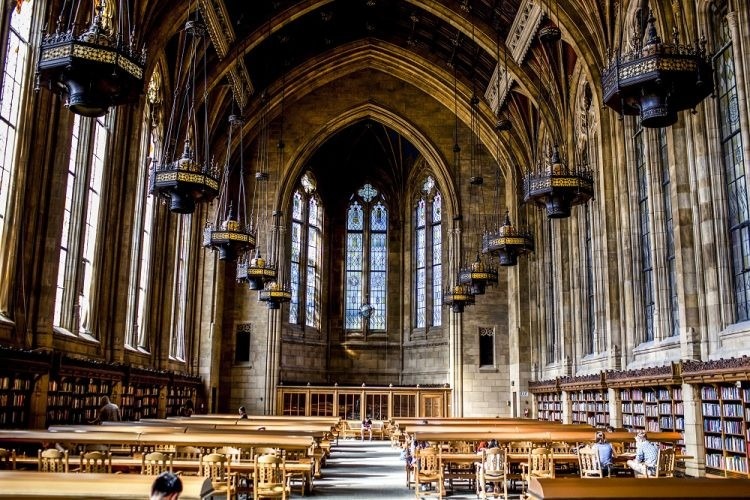
Surprising things your library card can do
Think you know everything your library offers? Think again. Here are a few offerings that might catch you off guard.
Free music practice rooms (and loaner guitars). Seattle Public Library’s Central Library offers free music practice rooms that are, as far as anyone knows, the only ones of their kind in the city. Guitars are available to borrow right on the spot.
Read to a dog. Local libraries host “read to a dog” sessions where kids settle in next to a trained therapy dog and read aloud to their patient, nonjudgmental companion. It’s a proven confidence-builder for reluctant or anxious readers.
Learn a new language (or 315 of them). Both KCLS and SPL offer free access to Mango Languages for interactive language learning with progress tracking. The Pronunciator app, also free with your card, offers instruction in an astonishing 315 languages.
A social services team. SPL’s dedicated social services team helps people in vulnerable situations, including unhoused community members, by connecting them to resources and providing practical support like bus tickets and emergency supplies. Some branches host a “Coffee and Conversations” drop-in where anyone can come for a snack and get help accessing services.
A library built on a bridge. The Renton Library, part of the King County Library System, sits on an 80-foot bridge over the Cedar River. Floor-to-ceiling windows offer views of salmon and ducks in the water below, making it one of the most scenic reading spots in the region.
Keep your libraries strong
Libraries are among the most valuable resources a community can have, and they deserve our support. To help ensure they can keep offering free books, videos and a wealth of services to you and your family, please consider making a one-time gift or setting up a monthly payroll deduction through the UWCFD to one of our member organizations that supports libraries.
Your gift makes a difference.


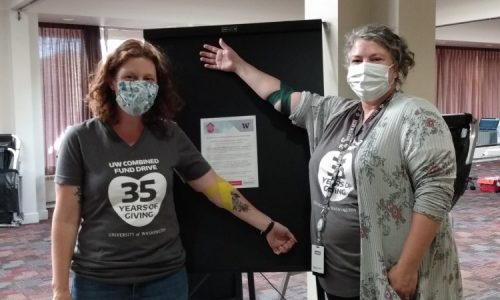
 Donate Blood and Save Lives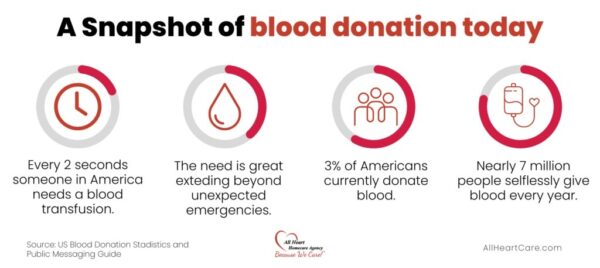
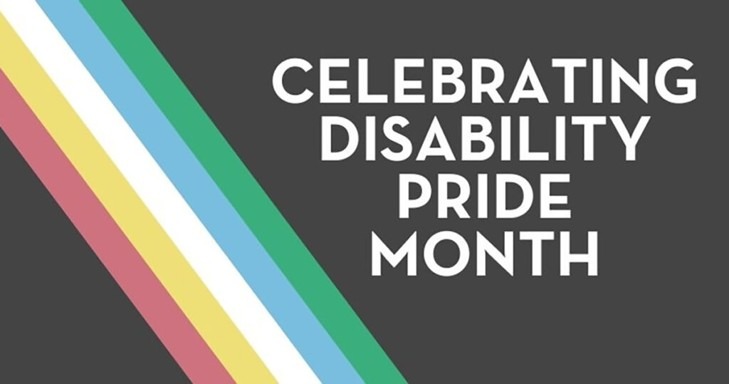
 The diversity of disabilities
 Be water-safe this summer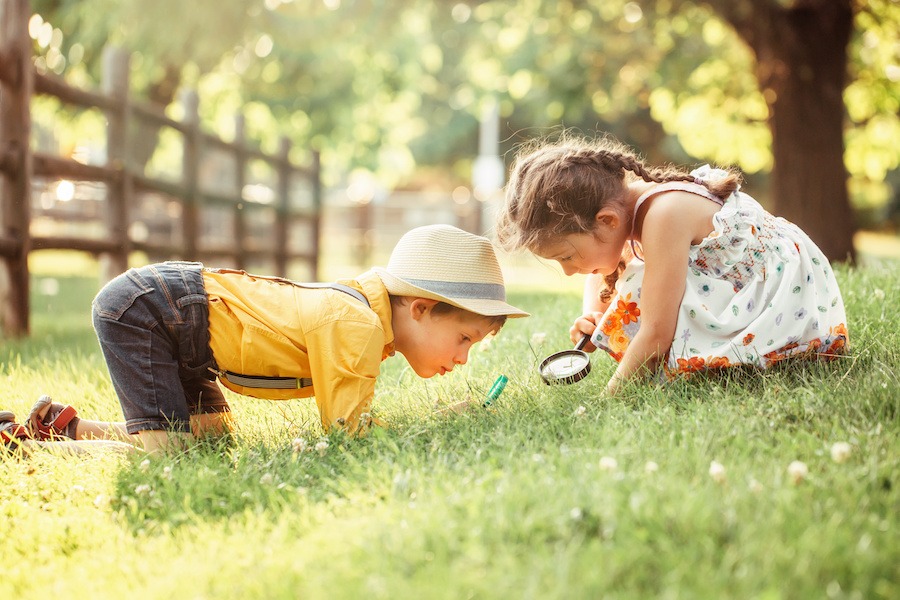
 Wildfire Smoke and Your Health: What You Need to Know
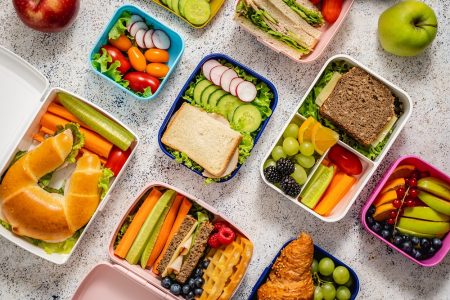 Nutritious, plant-forward meals help children grow, stay energized and make the most of their summer months. But when school is out, the reliable school meals that many families depend on disappear, and summer can quickly become a time of real uncertainty around food.
 Juneteenth is the oldest nationally celebrated commemoration of the end of slavery in the United States. Known by many names, including Freedom Day, Emancipation Day, Jubilee Day and Liberation Day, it marks the announcement made on June 19, 1865, in Galveston, Texas, that all enslaved people were free following the end of the Civil War. The name itself is a blend of “June” and “nineteenth.”
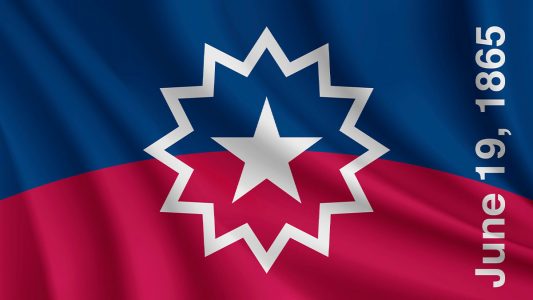 Historically, Juneteenth celebrations in Texas centered on family gatherings and reunions, public readings of the Emancipation Proclamation, sermons, singing and small festivals. People dressed in their finest clothes, a meaningful gesture given the deprivation of the enslaved, for whom nice clothing was rarely available.

 Community and resources at the UW