Last updated: July 27, 2026
 Every May, Older Americans Month recognizes the vital contributions older adults make to communities across the nation. Launched in 1976 by President Gerald Ford, this annual observance highlights the importance of helping older adults stay active, connected and engaged in community and social life. The 2026 theme, “Champion Your Health,” emphasizes prevention, wellness and empowering people to take an active role in managing and advocating for their health.
At the start of the millennium, about 35 million Americans were age 65 or older. By 2040, that number is expected to exceed 80 million, including roughly 15 million people age 85 or older. Even among the very oldest Americans, centenarians increased by nearly 50 percent between 2000 and 2014. These demographic shifts underscore the growing importance of research, policies and daily practices that support healthy aging.
At the University of Washington, the Healthy Aging and Longevity Research (HALO) Institute is helping lead this work. Housed in the School of Medicine and founded by Dr. Matt Kaeberlein, HALO’s mission is “to enhance understanding of the biological mechanisms of aging in order to promote healthy longevity.” That emphasis on healthy longevity matters. Extending how long people live only has value if those added years are lived in good health. For this reason, Dr. Kaeberlein often emphasizes “maximizing healthspan” rather than lifespan.
Related: Join us for a Lunch & Learn on Active Aging – Engagement and Resources
Maintain and improve health while aging
The National Institute on Aging, part of the National Institutes of Health, recommends several practical ways to support health and quality of life as we age:
- Exercise: Staying physically active can reduce overall risk of death from many causes while preserving muscle mass and lowering the risk of obesity and type 2 diabetes.
- Food and drink: Small changes in eating habits can lead to meaningful health benefits. Research supports Mediterranean-style diets and moderating alcohol intake, while even simple habits like eating green leafy vegetables have been linked to slower cognitive decline.
- Sleep: Older and younger adults generally need the same amount of sleep, yet seniors often struggle due to pain or illness. Chronic sleep deprivation has been linked to numerous health concerns, including an increased risk of dementia.
- Mental health: Loneliness and social isolation are associated with higher risks of heart disease, depression and cognitive decline. Remaining socially active can be protective. The activity itself matters less than participation, leaving room for hobbies, clubs, faith-based or community organizations, sports, arts and education. One example is the UW Access program, which allows Washington state residents age 60 or older to audit up to two UW classes per quarter for a nominal fee.
- Seeing a doctor: Regular checkups help catch illnesses early and identify risk factors for chronic conditions before they become more serious.
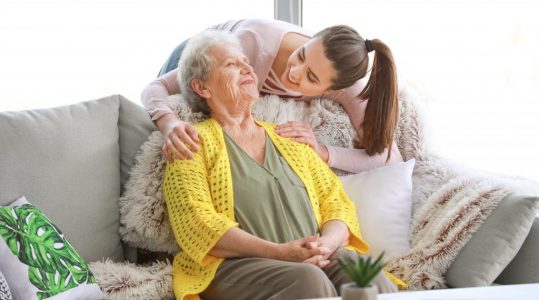 Ways to support seniors’ independence
Preventing social isolation is essential to older adults’ mental and physical well-being and is central to the mission of many senior centers. Researchers have long documented the health benefits of social capital, the networks and relationships that foster trust, connection and participation.
These connections become especially important as people age, since health challenges and social networks may change over time. Volunteering offers one meaningful way for older adults to maintain social capital while supporting causes they care about. Many seniors also participate in advocacy work through local senior centers.
Technology can present another barrier. For those who feel uncertain or intimidated, extra support can make a difference. Many senior centers offer free programs designed to build confidence and skills with technology, helping older adults stay connected and independent. There are also online programs to help build tech confidence.
Get a move on
Physical activity is a key factor in maintaining independence. According to the CDC, regular exercise can help prevent disease, reduce fall risk, improve cognitive function and support emotional well-being in older adults. Family members and community members can help by offering encouragement, sharing information and spending time together, for example by walking or exercising side by side.
Everything is better with a friend
Senior centers are wonderful places to stay active while building new friendships. In addition to offerings like Tai Chi, yoga, aerobics and Zumba, many centers partner with evidence-based programs such as SilverSneakers and Active Older Adults (AOA) that are proven to support better health outcomes.
Staying connected also means checking in often. Calling, visiting and offering rides when needed can make a meaningful difference, especially for those who no longer drive. Many senior centers provide transportation to medical appointments, grocery stores and center activities either for free or at low cost.
Aging is a shared human experience, though it looks different for everyone. Genetics play a role, along with socioeconomic, racial and gender factors. Even so, the relatively simple practices outlined above have been shown to support well-being, improve health and reduce risks for chronic conditions. And for those for whom older age still feels distant, these same lifestyle choices can improve health and quality of life at any stage.
Other Ways to Help
Senior centers and organizations rely on donor support to keep their programs running. Consider volunteering at or setting up payroll deduction through the UWCFD for one of our member organizations to support healthy aging.
Supporting a nonprofit in your community or on campus is simple and meaningful. You can make a one-time gift or set up an ongoing payroll deduction through the UW Combined Fund Drive. Search by charity name or by the type of work they do to find a cause that resonates with you.
Can’t find the organization you’re looking for? We’re here to help! Email us at uwcfd@uw.edu and we’ll reach out to invite them to join the CFD.
Your generosity and engagement make a difference.