Last updated: October 24, 2026
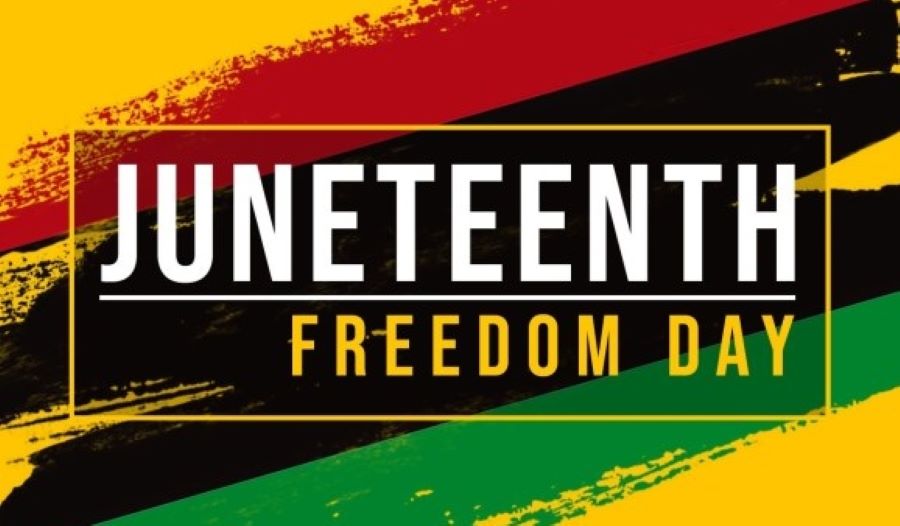 Juneteenth is the oldest nationally celebrated commemoration of the end of slavery in the United States. Known by many names, including Freedom Day, Emancipation Day, Jubilee Day and Liberation Day, it marks the announcement made on June 19, 1865, in Galveston, Texas, that all enslaved people were free following the end of the Civil War. The name itself is a blend of “June” and “nineteenth.”
Although the Emancipation Proclamation had officially abolished slavery in Confederate states more than two years earlier, in January 1863, knowledge of it spread slowly across many parts of the South. Historians offer various theories for why, with most agreeing that the disingenuousness of enslavers played a significant role.
Juneteenth is sometimes called Independence Day for Black Americans or America’s second Independence Day, and that spirit of hard-won freedom is at the heart of how the holiday is observed and celebrated today.
A holiday long in the making
Texas became the first state to declare Juneteenth a state holiday in 1980, a fitting distinction given the holiday’s origins there. Washington state officially recognized Juneteenth as a state holiday in 2021. That same year, on June 17, 2021, it was designated a federal holiday by unanimous vote of the Senate and an overwhelming majority of Congress, making it the first new federal holiday since Martin Luther King Jr. Day was established in 1983.
Read this opinion piece by LaNesha DeBardelaben, director of the Northwest African American Museum, on Washington’s newest official holiday.
Celebrating progress, acknowledging the work ahead
Juneteenth offers a joyful opportunity to reflect on and communally celebrate the progress made toward racial equality. At the same time, the historic and ongoing impact of slavery in the United States continues to shape our communities and our lives. The holiday holds both of those truths at once, as a celebration and a call to action.
Learn more about Juneteenth
There are many excellent resources for deepening your understanding of Juneteenth and its significance:
- BlackPast.org, created by the late distinguished UW historian Dr. Quintard Taylor, is an exhaustive resource charting the history of African Americans and more than a billion people of African ancestry worldwide. Dr. Taylor’s article Juneteenth: The Growth of an African American Holiday traces the holiday’s origins and evolution since 1865.
- In Juneteenth: A Primer, author Mitchell S. Jackson provides compelling historical context for the holiday.
- NPR’s How to Properly Celebrate Juneteenth in the Age of Commercialization offers thoughtful commentary on the increasing commodification of what was once a small, localized observance.
- The Smithsonian’s National Museum of African American History and Culture offers a wealth of information, including Juneteenth: A Celebration of Resilience, The Historical Legacy of Juneteenth and Celebrating Juneteenth.
How Juneteenth is celebrated
 Historically, Juneteenth celebrations in Texas centered on family gatherings and reunions, public readings of the Emancipation Proclamation, sermons, singing and small festivals. People dressed in their finest clothes, a meaningful gesture given the deprivation of the enslaved, for whom nice clothing was rarely available.
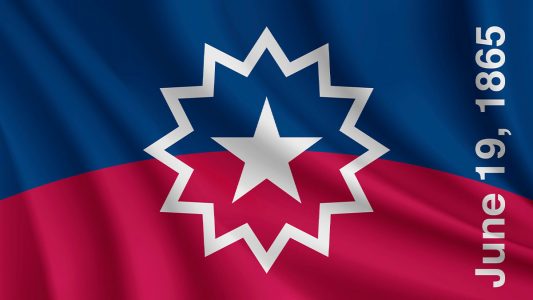
The Juneteenth flag, created in 1997, features red, white and blue, intentionally echoing the American flag to affirm that formerly enslaved people and their descendants are free Americans too. In 2007, the date of the first Juneteenth, June 19, 1865, was added to the flag.
Food is central to the celebration. Red foods hold special significance, both to honor the bloodshed of enslaved people and because red foods were considered celebratory treats during enslavement, when most available foods were white, green or brown. Red soda, punch, hibiscus tea, red velvet cake, red beans and rice, hot sauce, strawberries and watermelon are all traditional. Barbeque has long been the centerpiece of the meal, with whole pigs, cows or goats historically roasted over open pits in a tradition rooted in African practice. In coastal communities, fish fries, crab boils and seasoned shrimp reflect the seafood-centered Juneteenth traditions of Southern Black communities.
Today, many people also celebrate with a trip to a ball game, rodeo, music festival or parade, while the day remains centered on family and community, especially in more rural areas.
One of the most meaningful ways to celebrate Juneteenth any day of the year is to support Black-owned businesses. Check out this directory from the Seattle Urban League and this guide to restaurants, bars and cafes from Seattle Met.
Local celebrations and events
There is a lot happening in and around the Seattle-Tacoma area this summer:
- Northwest African American Museum (NAAM) kicks off Juneteenth on June 19 with its annual skate party and a full slate of activities featuring the Juneteenth Black Art Takeover.
- Tacoma’s Juneteenth Celebration, the largest in Washington state, takes place on June 19.
- Washington State Parks offer free admission on Juneteenth.
- Washington State History Museum presents the We the People Lecture Series on June 18 from 5:00 – 8:00. This program will feature remarks and a performance by Eva Abram of Rainwater Storytelling. Singer and musician Jason Turner, musician Naby Camara from Guinea, African dancer and drummer Baba Kauna Mujamal, and Kamau Ron Taplin will be performing.
- Atlantic Street Center hosts a family-friendly Juneteenth celebration with community organizations, Black businesses, food vendors and performances on June 18.
- Seattle Art Museum is hosting a community celebration on June 20 from 12 -4 featuring DJs, live performances and hands-on art making.
There are tons of great events in the Greater Seattle area. Check one – or more – out!
Support the Black community
Consider volunteering your time or making a financial contribution through the UWCFD to one of our member organizations actively working to remove systemic barriers to Black opportunity and strengthen Black communities.
You can make a one-time gift or set up an ongoing payroll deduction by searching for a charity by name or by the type of work they do. Can’t find the organization you’re looking for? Email uwcfd@uw.edu and we’ll reach out to invite them to join.
Your gift makes a difference.