Last updated: August 4, 2026
Devastating wildfires are surrounding Spokane, causing widespread destruction and displacing tens of thousands of people.
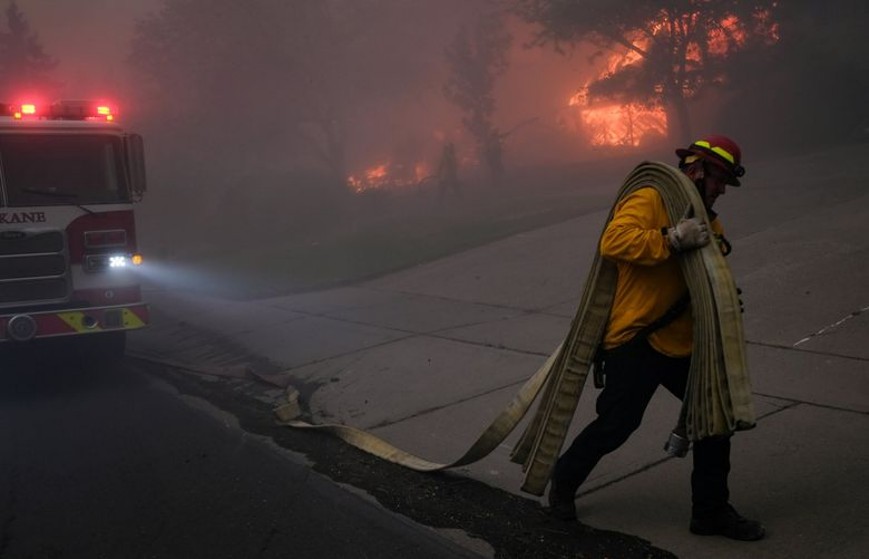
Three wildfires on the edges of Spokane surged over the weekend, damaging hundreds of structures and forcing tens of thousands to evacuate. As of the morning of August 3 2026 the fires remained at 0 percent containment. More than 60,000 people have evacuated and hundreds of structures have been damaged.
The fires sparked in dry vegetation, and hot, dry, windy weather has created what the National Weather Service considers a particularly dangerous situation, one step above a red flag warning. 2026 marks the fourth year of severe drought in the region, creating the perfect conditions for wildfires. At least a dozen other fires are burning across Washington.
“This is an extraordinary wildfire season in the Pacific Northwest,” Washington Public Lands Commissioner Dave Upthegrove said. “This is not a normal season.”
About 900 firefighters from across the country are assisting with suppression efforts. The fires have burned more than 8,000 acres, or about 12 square miles.
Related: Wildfire Season 2026 and Understanding Air Quality
This is an active fire situation. As the number of people affected continues to climb, the need for recovery assistance will grow with it. First responders and residents will be managing the effects of these fires for years to come.
If you or someone you know has been impacted by the Spokane-area wildfires, the Washington State Employee Assistance Program (EAP) offers free, confidential emotional support and WorkLife resources for eligible employees and their adult household members. The EAP has also compiled the following resources to help navigate both the practical and emotional impacts of the fires.
- Spokane-Area Wildfire Resource Guide – Find current evacuation information, shelter and animal resources, air quality and health guidance, insurance and recovery information, and emotional support resources.
- Wildfires in Spokane/Eastern WA: Support and Resources – Explore practical tips for coping with stress, supporting yourself and loved ones, and connecting with mental health, crisis, and disaster support resources.
Here is how you can help those affected by the wildfires.
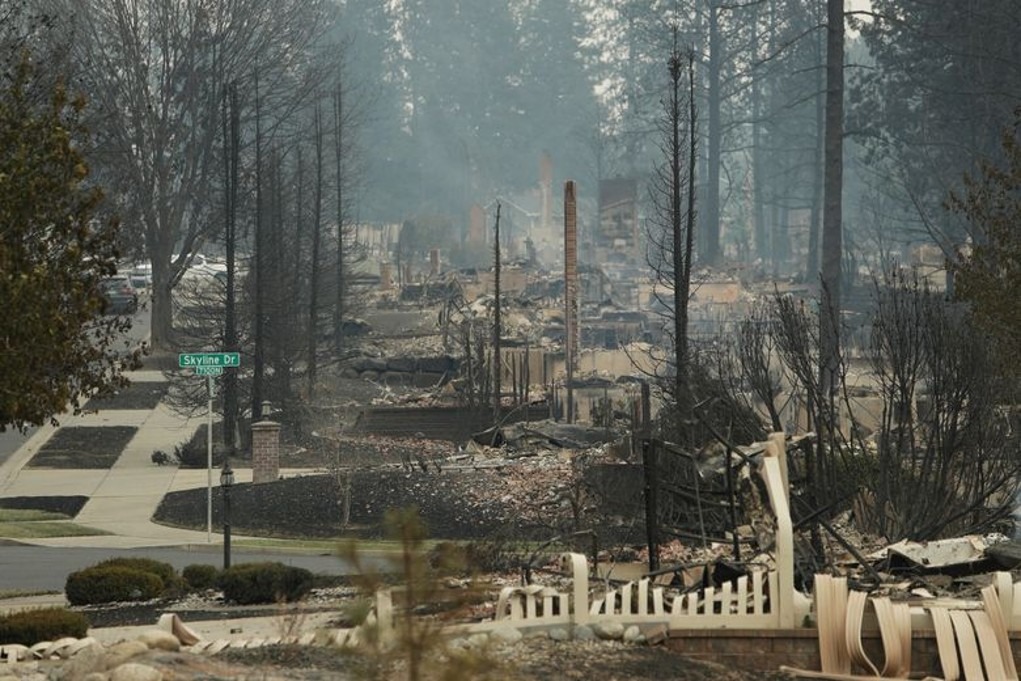
Support recovery efforts
Consider making a one time or ongoing donation through payroll deduction to a UWCFD nonprofit partner working in the communities affected by the fires.
American Red Cross (charity code 0337346) provides many relief services in the aftermath of disasters, including sheltering and feeding evacuees, and providing mental health support and counseling for affected families with guidance on self care and coping.
If you are interested in volunteering with the Red Cross disaster relief team, you can learn more here.
American Red Cross Disaster Relief Services (charity code 1468727) responds to an emergency every eight minutes. From small house fires to multi state natural disasters, the Red Cross goes wherever it is needed so people can have clean water, safe shelter and hot meals when they need them most.
Catholic Charities Spokane (charity code 0316163) has created a fund to help support individuals and families impacted by the Spokane Complex fires.
Innovia Foundation (charity code 2006507) has created a wildfire response fund to support those working to meet the needs of people impacted by the Spokane Complex wildfires.
Project Beauty Share (charity code 1481893) is collecting new hygiene items for families displaced by the Spokane Complex fires, as well as for firefighters working around the clock.
Second Harvest Inland Northwest (charity code 0316374) is accepting non-perishable food donations and financial donations to purchase other necessary items.
Spokanimal C.A.R.E. (charity code 0456408) is seeking donations of pet food, blankets and towels and funds to purchase them. They are also seeking volunteers to foster displaced animals.
Resources for learning and emotional support
- Tips for managing your distress related to wildfires (American Psychological Association)
- Wildfires: tips for parents on media coverage and parent guidelines for helping children impacted by wildfires (National Child Traumatic Stress Network)
- Protecting yourself before, during and after a wildfire (UCSF)
- Wildfire safety (American Red Cross)
- The Washington State EAP program offers a variety of services to for employees and their families