Last updated: August 12, 2026
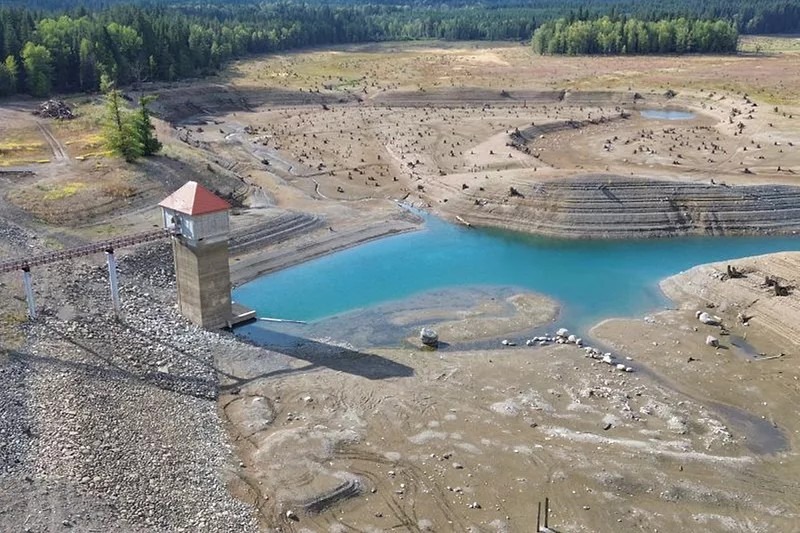
Did you know Washington just declared its fourth consecutive year of statewide drought? On April 8, the Washington State Department of Ecology issued an emergency drought declaration for the entire state, a record since the drought framework began in 1989. An unusually warm winter left mountain snowpack at roughly half its normal level, leaving rivers and reservoirs across the state running short. Seattle Public Utilities is not asking customers to change their water use this summer thanks to strong reservoir storage in the Cedar and South Fork Tolt watersheds, but seven of the past ten years have brought drought conditions somewhere in Washington, a reminder that water security is not something to take for granted, even here.
A World Away From the Tap
Most of us turn on a faucet a dozen times a day without a second thought. For hundreds of millions of people in developing countries worldwide, most of them women and girls, getting water means walking long distances to a source, waiting in line to fill a jerry can and carrying it home, often strapped to their backs or balanced on their heads. What takes us seconds takes them hours, and the burden of that time falls heavily on their education and income.
The Scale of the Crisis
According to the latest WHO/UNICEF Joint Monitoring Programme data, 2.1 billion people still lack access to safely managed drinking water, and more than 1,000 children under five die every day from diseases linked to unsafe water and poor sanitation. Yet progress is real. Between 2015 and 2024, 961 million people gained access to safely managed water.
Aucilene’s Story
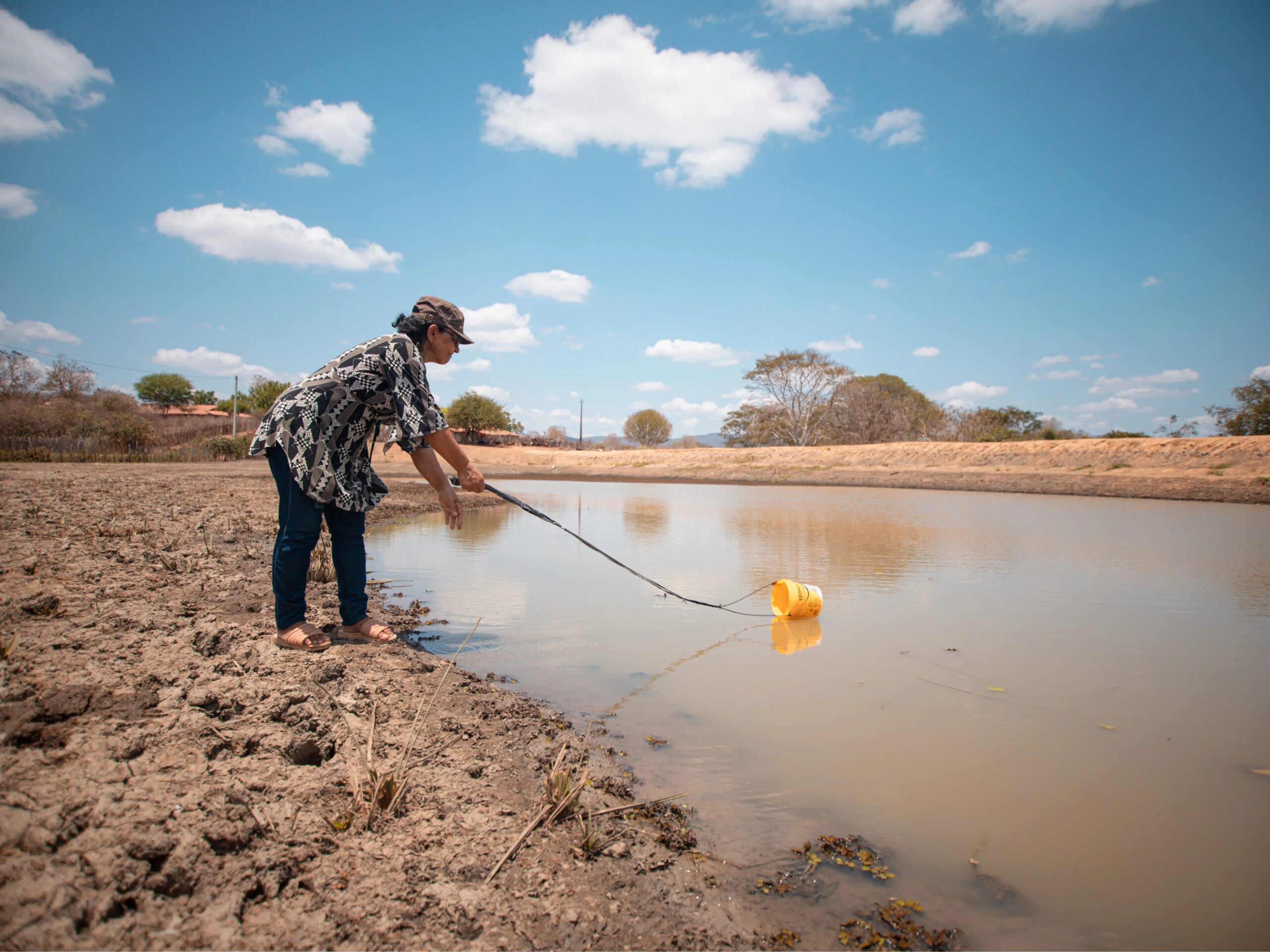
Meet Aucilene, who lives in a hot, semi-arid part of rural Brazil with her family. Before getting a lasting water solution, her days were shaped by long walks to distant reservoirs and an unreliable water truck. During the dry season, the family’s well often ran dry entirely. “We would go and collect water from other places,” she recalls. “My father, son and I would all collect water with our donkeys.”
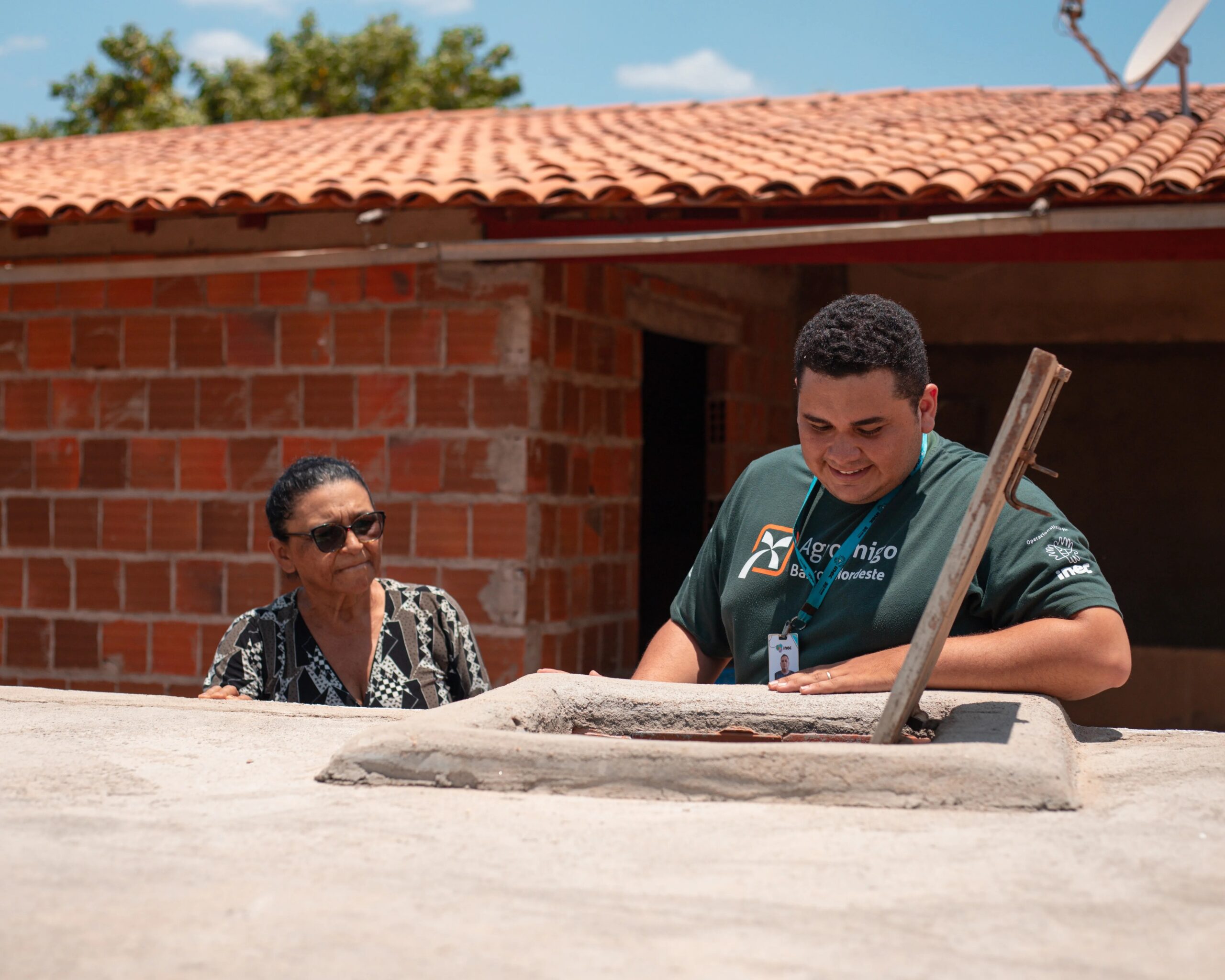
Everything changed when Aucilene took out a small, affordable loan to install a cistern that collects and stores rainwater. Her family now has safe water for drinking, cooking, cleaning and caring for their animals. “Everything has improved, it’s much easier now,” she says. For Aucilene, the cistern brought more than convenience. It restored hope. “Water is everything,” she says. “It is the foundation of our lives.”
How You Can Help
Whether it shows up as a shrinking snowpack in our own backyard or a long walk to a distant well, water scarcity touches communities everywhere. To help clean, safe water is available, please consider making a one-time gift or setting up a monthly payroll deduction through the UWCFD to one of our member organizations that supports making water available to all.
Your gift makes a difference.